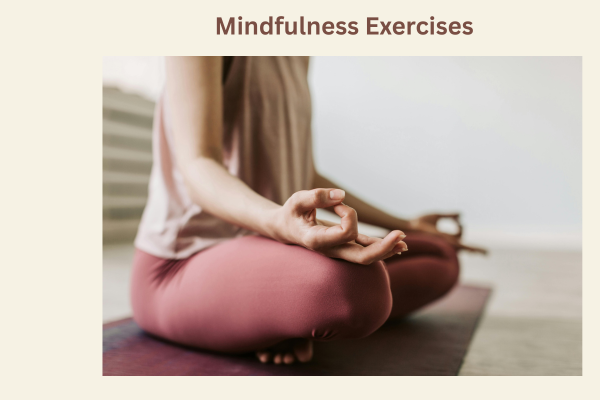
Mindfulness exercises are one of the easiest and most effective ways to improve your mental and physical well-being. In today’s busy world, many people feel stressed, overwhelmed, and distracted. Practicing mindfulness exercises can help you slow down, focus on the present moment, and feel more calm and in control.
In this article, you will learn what mindfulness is, common myths, benefits, and simple mindfulness exercises you can start today. Everything is explained in an easy-to-understand way so anyone can begin.
What Are Mindfulness Exercises?
This exercises are simple practices that help you focus on the present moment. Instead of worrying about the past or future, you pay attention to what is happening right now—your thoughts, feelings, body, and surroundings.
The goal of exercises is not to stop your thoughts. Instead, you observe them without judging or reacting. You simply notice them and let them pass.
This exercises can be done anytime and anywhere. You don’t need special tools, training, or a lot of time.
Why Mindfulness Exercises Are Important:
Many people spend their day on “autopilot.” They rush from one task to another without being fully aware of what they are doing. This can lead to stress, anxiety, and burnout.
Mindfulness exercises help you:
- Slow down
- Stay present
- Reduce stress
- Improve focus
- Feel more balanced
Even a few minutes of exercises each day can make a big difference.
Common Myths:
Before starting, it’s important to clear up some common misunderstandings about this exercises.
You Must Clear Your Mind:
This is not true. Mindfulness exercises are not about having an empty mind. Thoughts will come and go naturally. The goal is to notice them without getting caught up in them.
You Have to Sit Still for a Long Time:
Many people think this exercises require sitting in silence for hours. In reality, you can practice mindfulness while walking, eating, or even brushing your teeth.
Mindfulness Exercises Take Too Much Time:
You don’t need hours. Even 5–10 minutes of this exercises can help reduce stress and improve your mood.
Benefits of Mindfulness Exercises:
Mindfulness exercises offer many benefits for both your mind and body. Research shows they can improve overall health and well-being.
Exercises for Stress Reduction:
This exercises help calm your nervous system. They reduce stress hormones and make you feel more relaxed.
Exercises for Anxiety:
If you often worry, this exercises can help you stay focused on the present instead of overthinking.
Exercises for Better Sleep:
Practicing this exercises before bed can help your body relax. This makes it easier to fall asleep and stay asleep.
Exercises for Pain Management:
Mindfulness exercises can change how your brain processes pain. This may help reduce long-term discomfort.
Exercises for Emotional Balance:
You become more aware of your emotions with this exercises. This helps you respond calmly instead of reacting quickly.
Exercises for Focus and Productivity:
This exercises train your brain to concentrate better. This improves your focus at work or school.
Everyday Benefits of Mindfulness Exercises:
Mindfulness exercises are not just for stress or health problems. They can improve your daily life in many ways.
- Better concentration
- More energy
- Improved mood
- Greater self-awareness
- Less emotional reactivity
When you practice exercises regularly, you feel more present and connected to your life.
Simple Mindfulness Exercises for Beginners:
You don’t need experience to start. Here are some easy mindfulness exercises you can practice daily.
Exercises: Pay Attention
One of the simplest this exercises is to pay attention to your surroundings.
Try this:
- Pause for a moment
- Look around you
- Notice colors, sounds, smells, and textures
For example, when eating food:
- Notice the taste
- Feel the texture
- Smell the aroma
This simple mindfulness exercise helps you enjoy the present moment.
Exercises: Focus on Your Breathing
Breathing is one of the most powerful exercises.
Steps:
- Sit or stand comfortably
- Take a slow, deep breath
- Focus on the air entering and leaving your body
- Repeat for a few minutes
If your mind wanders, gently bring your focus back to your breath.
This exercise can instantly reduce stress.
Exercises: Live in the Moment
This exercise is about being fully present.
- Notice what you see, hear, and feel
- Observe your thoughts without judging them
- Stay aware of your surroundings
This helps you feel grounded and calm.
Mindfulness Exercises: Body Scan
A body scan is a relaxing exercise.
Steps:
- Sit or lie down comfortably
- Close your eyes
- Focus on one part of your body at a time
- Start from your head or feet
- Notice any sensations
This mindfulness exercise helps release tension and improve awareness.
Structured Mindfulness Exercises:
Once you are comfortable, you can try more structured exercises.
Exercises: Mindful Breathing Practice
This is a deeper version of breathing exercises.
- Sit in a quiet place
- Close your eyes
- Take slow, deep breaths
- Focus only on your breathing
Practice for 5–10 minutes daily for best results.
Exercises: Full Body Scan
This advanced body scan this exercise helps you relax deeply.
- Lie down on your back
- Keep your arms relaxed
- Slowly focus on each body part
- Notice sensations without judgment
This exercise can help reduce stress and improve sleep.
Exercises: Mindful Walking
You can turn walking into mindfulness exercises.
- Walk slowly
- Pay attention to each step
- Notice how your feet touch the ground
- Observe your surroundings
This is a great way to practice this exercises outdoors.
How Often Should You Practice Mindfulness Exercises?
You can practice mindfulness exercises anytime.
Here are some simple ways to include them in your day:
- Take 3 deep breaths in the morning
- Pause for a minute during work
- Practice breathing before sleep
For best results:
- Start with 5–10 minutes daily
- Increase gradually
- Stay consistent
Regular exercises help build a lasting habit.
Tips to Make Mindfulness Exercises a Habit:
Starting is easy, but staying consistent can be challenging. These tips can help:
Start Small:
Begin with just a few minutes of mindfulness exercises daily.
Be Consistent:
Try to practice this exercises at the same time each day.
Be Patient:
It’s normal for your mind to wander. Gently bring it back without frustration.
Use Reminders:
Set reminders on your phone to practice mindfulness exercises.
Create a Calm Space:
Find a quiet place where you can focus without distractions.
Mindfulness Exercises for Busy People:
If you think you don’t have time, here are quick exercises:
- Take 3 deep breaths before meetings
- Notice your surroundings while commuting
- Practice mindful eating during meals
- Pause for 1 minute between tasks
These small exercises can still have a big impact.
Mindfulness Exercises and Long-Term Benefits:
Practicing mindfulness exercises regularly can lead to long-term improvements such as:
- Lower stress levels
- Better emotional control
- Improved physical health
- Greater happiness
- Stronger focus
Over time, exercises become a natural part of your daily routine.
Final Thoughts:
Mindfulness exercises are simple, practical, and effective. You don’t need special skills or equipment to start. All you need is a few minutes and a willingness to be present.
Whether you want to reduce stress, improve focus, or feel more relaxed, this exercises can help. Start small, stay consistent, and explore different techniques to find what works best for you.
The more you practice exercises, the more natural they will feel. Over time, you may notice a calmer mind, better focus, and a more peaceful life.
Quick Summary:
- Mindfulness exercises help you stay present
- You don’t need to clear your mind
- Even a few minutes daily is enough
- Breathing is the best place to start
- Practice regularly for long-term benefits
Start today with simple exercises and experience the positive changes in your life.
FAQs:
What are mindfulness exercises?
Mindfulness exercises are simple practices that help you focus on the present moment. They involve paying attention to your thoughts, feelings, breathing, and surroundings without judgment.
How do mindfulness exercises reduce stress?
This exercises calm the nervous system and reduce stress hormones. They help you stay present instead of worrying about the past or future, which lowers anxiety and tension.
What are the best mindfulness exercises for beginners?
Some of the best exercises for beginners include:
- Deep breathing
- Body scan meditation
- Mindful walking
- Paying attention to senses
- Short guided meditation
How often should I practice mindfulness exercises?
You should practice exercises daily for the best results. Even 5 to 10 minutes a day can improve focus, reduce stress, and boost overall well-being.
Can mindfulness exercises be done anywhere?
Yes, mindfulness exercises can be practiced anywhere—at home, at work, or outdoors. You can even practice them while walking, eating, or doing daily tasks.