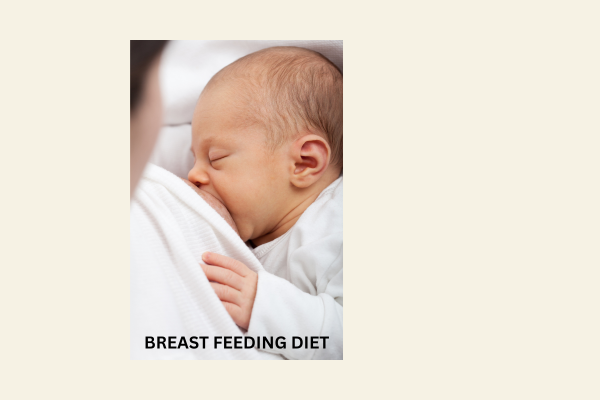
Breastfeeding is a natural and special way to nourish your baby, and a mother’s diet plays an important role in this beautiful journey. A healthy breast feeding diet directly affects the quantity and quality of breast milk and also supports the mother’s overall health.
To produce enough nutritious milk, a breastfeeding mother needs a balanced diet that meets her increased nutritional needs. A proper breast feeding diet chart includes protein-rich foods, whole grains, fruits, vegetables, healthy fats, and enough fluids. Drinking sufficient water is especially important to support milk production.
This blog provides a complete breast feeding diet chart with nutrient-rich foods to help improve milk quality and keep both mother and baby healthy.
Importance of Breast Feeding Diet:
A proper breast feeding diet provides extra calories, nutrients, and fluids required during lactation. Breastfeeding mothers need more energy than usual, and eating the right foods helps:
- Improve breast milk quantity and quality
- Support baby’s physical and brain development
- Prevent weakness, fatigue, and nutrient deficiencies in mothers
- Promote faster recovery after delivery
Following a healthy breast feeding diet is beneficial for both mother and baby.
Breast Feeding Diet Nutrients:
All essential nutrients should be included in a breast feeding diet. Some important nutrients are listed below:
Protein:
Protein is essential during breastfeeding to support the baby’s growth and the mother’s recovery. Include eggs, chicken, fish, whole grains, green vegetables, pulses, lentils, tofu, soya chunks, makhana, and beans in your breast feeding diet chart.
Iron:
Iron supports the baby’s growth and prevents fatigue and anemia in mothers. Iron-rich foods include beetroot, pomegranate, dragon fruit, dates, dry fruits, watermelon, and eggs.
Calcium:
Calcium is important for the baby’s bone development. Good sources include milk, yogurt, cheese, paneer, ragi, bananas, and green leafy vegetables.
Vitamin D:
Vitamin D helps with calcium absorption and overall growth. Include fish and egg yolks in your breast feeding diet. Early morning sunlight also helps the body produce vitamin D.
Breast Feeding Diet Chart with Nutrient-Rich Foods:
Fruits:
All types of fruits are essential in a breast feeding diet chart. Apples, bananas, mangoes, pomegranates, dragon fruit, watermelon, grapes, and seasonal fruits are excellent choices.
Vegetables:
Vegetables provide vitamins, iron, and fiber. Include green leafy vegetables like spinach, fenugreek, and coriander, along with broccoli, bottle gourd, pumpkin, peas, cabbage, ladyfinger, brinjal, and bitter gourd. Carrot, beetroot, cucumber, and sweet potato can be eaten boiled or as juice.
Grains:
Oats, brown rice, whole wheat, jowar, bajra, and ragi are rich in fiber and nutrients and should be included in your breast feeding diet.
Nuts and Seeds:
Almonds, walnuts, dates, flaxseeds, cashews, figs, apricots, pistachios, and peanuts are good sources of protein and healthy fats for breastfeeding mothers.
Liquids:
Hydration is very important in a breast feeding diet. Drink plenty of water. Coconut water and lemon water also help maintain fluid balance.
Dairy Products:
Milk, buttermilk, yogurt, ghee, paneer, and cheese are rich in calcium and protein and are essential for breastfeeding mothers.
Indian Breast Feeding Diet Tips:
Traditional Indian foods are often recommended in a breast feeding diet, such as:
- Gond laddu, methi laddu
- Ragi porridge or roti
- Garlic, ajwain, jeera, and saunf in cooking
- Homemade dal, khichdi, and vegetable sabzi
These foods are believed to support digestion and milk production.
Indian Breast Feeding Diet Chart:
This sample Indian breast feeding diet chart can help you plan balanced meals:
- Morning:
One cup of warm milk with saffron, 8–10 soaked almonds, and 4–5 dates - Breakfast:
Methi or palak paratha with chutney, or poha, upma, or idli with coconut chutney - Mid-Morning Snack:
Seasonal fruits or fresh fruit juice - Lunch:
Bajra roti or wheat roti, vegetable sabzi, fish curry or paneer sabzi, dal, brown rice, salad, and buttermilk - Evening Snack:
Sprout bhel or small puda with tea, coconut water, or lemon water - Dinner:
Wheat or ragi roti with vegetables, khichdi, salad, and buttermilk - Before Bed:
A glass of warm milk with a pinch of turmeric
In India, traditional foods like gond laddu, methi laddu, almond halwa, carrot halwa, and bajra-based recipes are often recommended to support lactation. Herbs such as ajwain, jeera, saunf, suva dana, and garlic may help digestion and reduce gas in babies.
Tips for Healthy Breast Feeding Diet:
- Eat small, frequent meals
- Do not skip meals
- Choose fresh, homemade foods
- Stay hydrated throughout the day
- Focus on food quality, not quantity
- Get enough rest along with a nutritious breast feeding diet
Avoid in Breast Feeding Diet Chart:
Certain foods should be limited or avoided in a breast feeding diet, depending on how your baby reacts.
Alcohol:
Alcohol passes into breast milk and can harm the baby’s development. It should be avoided during breastfeeding.
Caffeine:
Excess caffeine can make babies irritable. Limit tea, coffee, chocolate, and cola in your breast feeding diet chart.
Processed Foods:
Avoid foods high in sugar, unhealthy fats, and preservatives.
Gas-Producing Foods:
Some babies may develop gas or diarrhea. If noticed, limit foods like cabbage, cauliflower, beans, onions, carbonated drinks, and fried snacks.
Spicy Foods:
Very spicy foods may cause discomfort in some babies and should be eaten in moderation.
Conclusion:
- Follow a balanced breast feeding diet chart with fruits, vegetables, grains, and nuts
- Focus on nutrient-rich foods rather than quantity
- Stay hydrated with water, coconut water, lemon water, and milk
- Avoid foods that may affect your baby’s comfort and growth
- Eat fresh, healthy, and homemade foods for best results
FAQs:
Q1. What is the best diet for a breastfeeding mother?
A balanced breast feeding diet with fruits, vegetables, whole grains, nuts, and dairy products is ideal.
Q2. Which foods increase breast milk?
Fenugreek, oats, leafy greens, nuts, seeds, legumes, garlic, and whole grains may help increase milk supply.
Q3. What not to eat when breastfeeding?
Avoid alcohol, high-mercury fish, excessive caffeine, and processed foods.
Q4. Does ragi increase breast milk?
Yes, ragi is rich in calcium and iron and is believed to support milk production.
Q5. Does a mother’s food affect breast milk?
Yes, a mother’s diet influences the quality of breast milk.
Q6. Which dry fruits increase breast milk?
Almonds, dates, and walnuts are commonly recommended.
Q7. How much water should a breastfeeding mother drink?
About 2–3 liters (12–16 cups) of water daily.
Q8. How can I increase breast milk urgently?
Feed frequently, use both breasts, ensure proper latch, massage breasts, and stay hydrated.
Q9. What are common breastfeeding problems?
Nipple pain, low milk supply, blocked ducts, breast swelling, and inflammation.
Q10. How to relieve gas in a newborn baby?
Feed in an upright position and gently move the baby’s legs in a cycling motion.