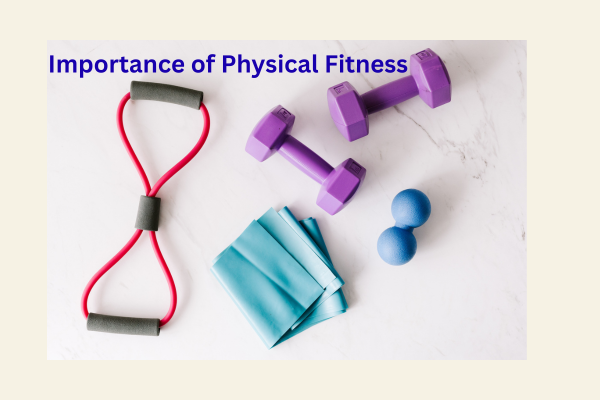
Overview:
The importance of physical fitness cannot be ignored in today’s fast-paced and technology-driven lifestyle. Physical fitness plays a vital role in keeping our body and mind healthy. Whether you are a child, teenager, adult, or elderly person, regular physical activity is essential at every stage of life. Staying physically fit helps you perform daily activities with ease, improves your energy levels, and protects you from many diseases.
Physical fitness is not only about having a lean body or strong muscles. It is about maintaining overall health, improving mental well-being, and enjoying a better quality of life. Regardless of your body type, weight, or age, being active every day can bring long-term benefits.
In this article, we will explain the importance of physical fitness, its benefits, and why you should make exercise a regular part of your daily routine.
What Is Physical Fitness?
Physical fitness is the ability of your body to function efficiently and effectively in work, leisure activities, and daily tasks. A physically fit person can perform routine activities without feeling tired and still have enough energy left to enjoy recreational activities.
In simple words, physical fitness means:
- Having strength, endurance, flexibility, and balance
- Performing daily activities with minimal effort
- Maintaining good physical and mental health
When you are physically fit, you can concentrate better, handle stress more easily, and live a disease-free life.
Importance of Physical Fitness in Daily Life:
The importance of physical fitness lies in the fact that it affects almost every aspect of our lives. From improving physical health to boosting mental well-being, fitness plays a key role in helping individuals live longer, happier, and healthier lives.
Below are the major reasons why physical fitness is important.
1. Reduces Health Risks:
One of the biggest benefits that show the importance of physical fitness is its ability to reduce health risks. Regular physical activity lowers the chances of developing serious health conditions such as:
- Heart disease
- Stroke
- High blood pressure
- High cholesterol
- Type 2 diabetes
- Metabolic syndrome
Exercise helps improve blood circulation, strengthens the heart, and controls blood sugar levels. Even moderate activities like walking, cycling, or swimming can significantly reduce health risks when done regularly.
2. Increases Life Expectancy:
Many studies show that physically active people tend to live longer and healthier lives. The importance of physical fitness becomes clear when we see its role in reducing premature death.
Being active helps:
- Improve heart and lung function
- Strengthen muscles and bones
- Reduce the risk of chronic diseases
Research suggests that walking 8,000 to 10,000 steps a day can significantly lower the risk of early death. Even small increases in daily activity, such as an extra 10 minutes of exercise, can make a difference.
3. Helps in Weight Management:
Weight management is another key reason that highlights the importance of physical fitness. Physical activity helps balance the calories you consume with the calories you burn.
- If you eat more calories and remain inactive, you gain weight
- If you stay active and follow a healthy diet, you can maintain a healthy weight
Different people require different levels of physical activity for weight management. Some may need more exercise than others, depending on metabolism and lifestyle.
Regular exercise combined with a balanced diet helps:
- Prevent obesity
- Maintain healthy body weight
- Reduce fat accumulation
4. Strengthens Muscles and Bones:
As we age, our muscle mass and bone density naturally decrease. This makes the importance of physical fitness even more critical, especially for older adults.
Physical activities such as:
- Strength training
- Weight lifting
- Resistance exercises
Help to:
- Build and maintain muscle strength
- Improve bone density
- Protect joints
- Reduce the risk of fractures
Strong muscles and bones allow you to move freely, maintain balance, and perform daily activities independently.
5. Improves Mental Health and Brain Function:
The importance of physical fitness is not limited to physical health—it also plays a major role in mental well-being.
Regular physical activity:
- Reduces stress and anxiety
- Improves mood
- Lowers the risk of depression
- Enhances memory and concentration
Exercise increases the release of endorphins, also known as “feel-good hormones,” which help you feel happier and more relaxed. Even a single session of moderate exercise can improve focus and reduce anxiety.
6. Enhances Quality of Life:
A physically active lifestyle improves overall quality of life. People who maintain fitness can enjoy activities that require physical effort, such as:
- Traveling
- Hiking
- Playing with children
- Performing household chores
Physical fitness allows you to stay independent as you age. Simple tasks like climbing stairs, shopping, or walking long distances become easier when your body is strong and active.
7. Reduces Risk of Injuries and Falls:
Another major point that highlights the importance of physical fitness is injury prevention. Regular exercise improves:
- Muscle strength
- Flexibility
- Balance
- Coordination
These factors help reduce the risk of falls and injuries, especially in older adults. Strong bones and muscles protect the body during accidents and help prevent serious injuries like hip fractures.
8. Helps Manage Chronic Health Conditions:
Physical fitness is especially important for people with chronic diseases or disabilities. Regular physical activity can help manage conditions such as:
- Arthritis
- Diabetes
- Heart disease
- Obesity
Exercise helps reduce pain, improve mobility, and enhance overall quality of life. It also supports independence and daily functioning for people with disabilities.
9. Boosts Energy Levels:
Many people believe exercise makes them tired, but the opposite is true. Regular physical activity improves oxygen flow and energy production in the body.
As a result:
- You feel more energetic
- Fatigue decreases
- Daily tasks feel easier
This is another reason why the importance of physical fitness cannot be overlooked.
Physical Fitness for Different Age Groups:
Children and Adolescents:
Physical activity helps children:
- Develop strong bones and muscles
- Improve concentration and academic performance
- Build healthy habits early in life
Adults:
For adults, physical fitness:
- Reduces stress
- Helps manage weight
- Prevents lifestyle diseases
Older Adults:
For seniors, fitness:
- Improves balance and mobility
- Prevents falls
- Supports independence
How Much Physical Activity Is Needed?
According to health guidelines:
- Adults should aim for 150 minutes of moderate physical activity per week
- This can be broken into 30 minutes a day for 5 days
- Activities include walking, dancing, cycling, or gardening
Even small amounts of activity are better than none.
How to Maintain Physical Fitness:
Maintaining physical fitness does not require expensive equipment or gym memberships. Simple lifestyle changes can make a big difference.
Tips to Stay Physically Fit:
- Follow a balanced diet rich in fruits, vegetables, and whole grains
- Exercise regularly
- Stay hydrated
- Get enough sleep
- Reduce screen time
- Stay consistent
Conclusion:
The importance of physical fitness is undeniable. It helps reduce health risks, increases life expectancy, strengthens muscles and bones, improves mental health, and enhances overall quality of life. Physical fitness is essential for people of all ages, regardless of body type or weight.
By understanding the benefits of physical fitness and staying active daily, you can enjoy a healthier, happier, and more energetic life. Make physical activity a permanent part of your routine—not just for a month, but for a lifetime.
FAQs:
1. What does physical fitness mean?
Physical fitness means the ability to perform daily activities with strength, endurance, and minimal fatigue while maintaining good physical and mental health.
2. What is the importance of physical fitness?
The importance of physical fitness lies in its ability to improve health, prevent diseases, manage weight, boost mental well-being, and increase life expectancy.
3. What is the most important factor in fitness?
A combination of regular physical activity and a balanced diet is the most important factor in maintaining fitness.
4. How can I maintain my physical fitness?
You can maintain physical fitness by exercising regularly, eating healthy foods, staying active, and following a consistent routine.