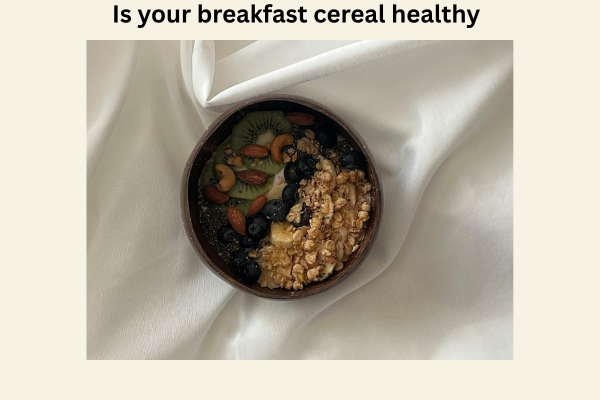
Breakfast cereal is one of the most popular breakfast foods around the world. It is quick, convenient, and often marketed as a healthy way to start the day. But many people are now asking an important question: Is your breakfast cereal healthy?
At first glance, cereal boxes are covered with labels like “heart healthy,” “high in vitamins,” “whole grain,” and “part of a balanced breakfast.” These claims make cereals look like a nutritious choice. However, when you take a closer look at the ingredients and nutrition labels, the reality may surprise you.
In this article, we will explore is your breakfast cereal healthy, what nutrition experts say about cereals, what ingredients you should watch for, and how to choose a healthier cereal if you enjoy eating it.
Is Your Breakfast Cereal Healthy? The Truth Behind Popular Cereals
Many of the most popular breakfast cereals are actually highly processed foods. While they may contain added vitamins and minerals, they often include large amounts of sugar, sodium, and artificial ingredients.
If you ask the question “is your breakfast cereal healthy?”, the honest answer for many brands is not really.
Several well-known cereals contain:
- High amounts of added sugar
- Very little protein
- Minimal fiber
- Artificial colors and preservatives
- Empty calories
These ingredients may make cereal taste great, but they do not necessarily provide the nutrients your body needs in the morning.
Why People Think Breakfast Cereals Are Healthy:
One reason many people believe cereal is healthy is marketing. Cereal brands use attractive packaging and health claims to convince consumers that their products are nutritious.
You may have seen phrases like:
- Heart healthy
- High in vitamins
- Whole grain goodness
- All natural
- Part of a balanced breakfast
While these claims sound impressive, they can sometimes be misleading. A cereal may contain added vitamins, but still be high in sugar and low in essential nutrients. So when you wonder is your breakfast cereal healthy, it’s important to look beyond the marketing and read the nutrition label.
Is Your Breakfast Cereal Healthy? Understanding Sugar Content
One of the biggest problems with many breakfast cereals is sugar.
Many cereals marketed to both adults and children contain large amounts of added sugar. In some cases, sugar can be one of the first ingredients listed on the label.
Eating too much sugar in the morning can lead to:
- Energy spikes and crashes
- Increased hunger later in the day
- Weight gain
- Higher risk of metabolic health issues
When evaluating is your breakfast cereal healthy, checking the sugar content should be your first step.
Nutrition experts generally recommend choosing cereals with little to no added sugar whenever possible.
Portion Sizes: Another Hidden Problem
Another surprising factor when asking is your breakfast cereal healthy is portion size.
Most cereal boxes list a serving size of around:
- ¾ cup to 1 cup
But the average cereal bowl often holds two or three cups. This means many people unknowingly consume double or triple the calories listed on the label.
For example:
- Label serving: 120–150 calories
- Realistic portion: 300+ calories
This makes cereal far more calorie-dense than people expect.
Measuring your cereal serving can make a big difference in keeping your breakfast balanced.
Nutritional Value Often Comes From Milk:
When people think cereal is healthy, they often forget an important detail.
The nutritional value may actually come from the milk, not the cereal itself.
Milk adds:
- Protein
- Calcium
- Vitamin D
- Healthy fats (depending on the type)
Without milk, many cereals offer very little protein or nutrients.
This raises another important question in the discussion of is your breakfast cereal healthy: would the cereal still be nutritious if eaten alone?
In many cases, the answer is no.
When people think cereal is healthy, they often forget an important detail.
The nutritional value may actually come from the milk, not the cereal itself.
Milk adds:
- Protein
- Calcium
- Vitamin D
- Healthy fats (depending on the type)
Without milk, many cereals offer very little protein or nutrients.
This raises another important question in the discussion of is your breakfast cereal healthy: would the cereal still be nutritious if eaten alone?
In many cases, the answer is no.
Is Your Breakfast Cereal Healthy? What Research Says
Research has also examined whether cereals have improved over time.
A study published in May 2025 analyzed more than 1,200 ready-to-eat cereals marketed to children between 2010 and 2023.
The findings were surprising.
Instead of becoming healthier, many cereals showed:
- Increased sugar levels
- Higher sodium content
- More fat
- Lower protein levels
- Less fiber
These results suggest that many cereals are moving in the wrong nutritional direction.
So when asking is your breakfast cereal healthy, the answer may depend on the specific brand and ingredients.
Common Ingredients Found in Highly Processed Cereals:
Many cereals contain ingredients that are far from natural whole foods.
Some examples include:
- Artificial flavors
- Food dyes
- Preservatives
- Refined grains
- Chemical additives
One example often found in packaged foods is butylated hydroxytoluene (BHT), a preservative used to maintain freshness.
While small amounts are generally considered safe, these additives highlight how processed many cereals really are.
If your cereal ingredient list is long and filled with unfamiliar names, it may not be the healthiest choice.
Is Your Breakfast Cereal Healthy for Kids?
Children are one of the main targets of cereal marketing.
Bright colors, cartoon characters, and sweet flavors make cereal appealing to kids. Unfortunately, many cereals designed for children are especially high in sugar.
Eating sugary cereals regularly may contribute to:
- Childhood obesity
- Tooth decay
- Poor eating habits
- Energy crashes during school hours
Because of these concerns, new school breakfast guidelines aim to reduce:
- Added sugars
- Sodium levels
They also encourage more whole grains in school breakfast programs.
These efforts are part of a broader attempt to improve children’s nutrition.
Is Your Breakfast Cereal Healthy? Signs of a Better Choice
If you enjoy cereal and want to continue eating it, there are ways to choose healthier options.
Here are several things to look for when deciding is your breakfast cereal healthy.
Whole Grains as the First Ingredient:
The first ingredient should ideally be whole grain wheat, oats, or another whole grain.
Whole grains contain:
- Fiber
- Vitamins
- Minerals
- Antioxidants
They are far healthier than refined grains.
Good Fiber Content:
Fiber is important for digestion and overall health.
A healthier cereal should contain:
- At least 2.5 grams of fiber per serving
- Ideally 5 grams or more
Fiber helps you feel full longer and supports gut health.
Low Added Sugar:
A good cereal should contain minimal added sugar.
Ideally look for cereals with:
- Less than 5 grams of sugar per serving
- Or no added sugar at all
You can always add natural sweetness with fruit instead.
Limited Sodium:
Many cereals also contain surprisingly high amounts of salt.
Look for cereals with low sodium levels, especially if you eat them regularly.
Lower Calorie Count:
A healthy cereal serving should generally contain 150 calories or less.
This helps keep your breakfast balanced when combined with milk, fruit, or nuts.
Short Ingredient List:
One of the simplest ways to evaluate is your breakfast cereal healthy is to check the ingredient list.
Healthier cereals typically have:
- Fewer ingredients
- Recognizable foods
- Minimal additives
If the list is short and easy to understand, it’s usually a better option.
Examples of Healthier Breakfast Cereals:
Some cereals meet many of the healthy guidelines mentioned above.
Examples include:
- Shredded wheat
- Bran cereals
- Whole grain oat cereals
- High-fiber cereals
These options generally contain more fiber and less sugar compared to highly sweetened cereals.
However, even healthier cereals should still be eaten in reasonable portions.
Healthier Alternatives to Breakfast Cereal:
If you’re reconsidering your cereal habit, there are many nutritious breakfast alternatives.
Some great options include:
Oatmeal with Fruit and Nuts:
Oatmeal is rich in fiber and provides long-lasting energy. Adding fruit and nuts increases vitamins, antioxidants, and healthy fats.
Eggs:
Eggs are an excellent source of protein and healthy fats. They help keep you full and support muscle health.
Yogurt with Fruit:
Plain yogurt combined with fresh fruit offers protein, probiotics, and natural sweetness.
Whole Grain Toast with Peanut Butter:
This simple breakfast provides:
- Fiber
- Protein
- Healthy fats
It’s filling and easy to prepare.
Is Your Breakfast Cereal Healthy? Tips for Making It Better
If you love cereal and don’t want to give it up, here are a few tips to make it healthier.
Measure Your Portions:
Avoid pouring directly from the box. Measure one serving to avoid overeating.
Add Fresh Fruit:
Fresh fruit adds natural sweetness, fiber, and vitamins.
Choose High-Protein Milk:
Options include:
- Low-fat milk
- Soy milk
- High-protein plant milks
Protein helps make your breakfast more satisfying.
Mix Cereals
Combine a high-fiber cereal with a small amount of your favorite sweet cereal to reduce sugar.
The Bottom Line: Is Your Breakfast Cereal Healthy?
So, is your breakfast cereal healthy?
The answer depends on the type of cereal you choose.
Many popular cereals are high in sugar, low in nutrients, and heavily processed. These cereals may taste good but offer limited health benefits.
However, some cereals made with whole grains, high fiber, and low sugar can be part of a balanced breakfast.
The key is to:
- Read nutrition labels carefully
- Watch portion sizes
- Choose cereals with simple ingredients
- Balance your breakfast with protein and healthy foods
A healthy breakfast should fuel your body and provide lasting energy, not just deliver a bowl of sweet, crunchy calories.
By paying closer attention to what’s inside the cereal box, you can make smarter choices and start your day with better nutrition.
Conclusion:
Breakfast cereal is convenient and enjoyable, but not all cereals are created equal. The next time you pour a bowl in the morning, take a moment to ask yourself: Is your breakfast cereal healthy?
Understanding the ingredients, sugar content, and nutritional value can help you make better decisions for your health. With the right choices and proper portion control, cereal can still be part of a nutritious breakfast.
But remember—your morning meal should do more than just taste good. It should help power your body, support your health, and keep you energized for the day ahead.
FAQs:
1. Is your breakfast cereal healthy?
Many breakfast cereals are high in sugar and low in protein and fiber. However, cereals made with whole grains and low added sugar can be part of a healthy breakfast.
2. How can you tell if a breakfast cereal is healthy?
You can check the nutrition label. A healthy cereal should have whole grains as the first ingredient, at least 3–5 grams of fiber, low sugar, and minimal additives.
3. Are sugary breakfast cereals bad for health?
Sugary cereals can cause energy spikes, weight gain, and increased sugar intake if eaten frequently. Choosing low-sugar cereals is a healthier option.
4. What is the healthiest type of breakfast cereal?
The healthiest cereals usually contain whole grains, high fiber, low sugar, and minimal processing. Examples include bran cereals and plain oat cereals.
5. Is breakfast cereal good for weight loss?
Some cereals can support weight loss if they are low in calories and high in fiber. Portion control and avoiding high-sugar cereals are important.
6. Are breakfast cereals healthy for kids?
Many cereals marketed to children contain high amounts of sugar. Healthier options include cereals with whole grains, fiber, and low added sugar.
7. What should you avoid when choosing cereal?
Avoid cereals with high sugar, artificial colors, preservatives, and refined grains. Long ingredient lists may indicate highly processed cereals.
8. What are healthier alternatives to breakfast cereal?
Healthy alternatives include oatmeal with fruit, eggs, yogurt with berries, whole grain toast with peanut butter, and smoothies.