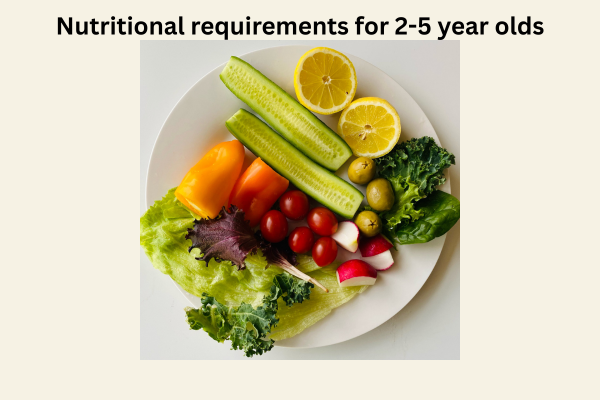
Understanding the nutritional requirements for 2–5 year olds is essential for every parent and caregiver. Early childhood is a critical period of rapid growth, brain development, and immune system strengthening. The foods children eat between the ages of 2 and 5 lay the foundation for lifelong health, strong bones, proper brain function, and healthy eating habits.
A balanced diet during these early years provides children with energy, supports physical growth, strengthens immunity, and prevents nutritional deficiencies such as iron-deficiency anemia, vitamin D deficiency, and weak bone development.
This complete guide explains healthy eating habits for toddlers and preschoolers, essential nutrients, a sample diet chart, foods to avoid, and expert-backed tips to ensure optimal nutrition.
Why Nutrition is Important for 2–5 Year Olds:
Children aged 2–5 years are highly active and continue to grow rapidly. Their bodies and brains need proper nourishment to:
- Support physical growth
- Strengthen bones and teeth
- Improve brain development
- Build immunity
- Maintain healthy digestion
- Prevent deficiencies
- Develop lifelong healthy eating habits
Poor nutrition during early childhood can lead to:
- Iron deficiency and anemia
- Weak immunity
- Delayed growth
- Dental cavities
- Vitamin D deficiency
- Poor concentration
Providing the right foods in the right portions helps ensure children stay healthy and energetic.
Healthy Eating Habits for Children (2–5 Years):
Developing healthy eating habits early makes a big difference. Here are essential guidelines for meeting the nutritional requirements for 2–5 year olds:
1. Follow a Regular Meal Schedule:
Offer:
- 3 main meals (breakfast, lunch, dinner)
- 2 healthy snacks
Regular meal timing helps maintain energy levels and prevents overeating.
2. Offer Variety:
Include different:
- Vegetables
- Fruits
- Whole grains
- Proteins
- Dairy products
- Nuts and seeds
Variety ensures children receive all essential vitamins and minerals.
3. Let Your Child Decide How Much to Eat:
Children are good at regulating their hunger. Avoid force-feeding. Encourage but do not pressure.
4. Encourage Self-Feeding:
By age 2–3, children should:
- Eat independently
- Use spoons or small forks
- Stop using feeding bottles
5. Reduce Mealtime Distractions:
Turn off:
- TV
- Mobile phones
- Tablets
Encourage mindful eating.
6. Eat Together as a Family:
Children learn by observing parents. Family meals promote healthy habits.
Essential Nutrients for 2–5 Year Olds:
Here are the most important nutrients required for toddlers and preschoolers:
1. Protein:
Protein supports:
- Muscle growth
- Brain development
- Immunity
- Tissue repair
Sources:
- Eggs
- Lentils (dal, chana)
- Paneer and tofu
- Milk and yogurt
- Soya chunks
- Nuts
2. Calcium:
Calcium helps:
- Build strong bones
- Develop healthy teeth
- Support nerve and muscle function
Sources:
- Milk
- Yogurt
- Paneer
- Ragi
- Sesame seeds
- Almonds
3. Iron:
Iron prevents anemia and helps carry oxygen in the blood.
Sources:
- Spinach
- Beetroot
- Pomegranate
- Dates
- Beans
- Jaggery
- Meat
Tip: Combine iron-rich foods with vitamin C (like oranges or lemon) for better absorption.
4. Vitamin D:
Vitamin D is essential for:
- Calcium absorption
- Bone strength
- Immunity
Sources:
- Sunlight exposure
- Egg yolk
- Mushrooms
- Fortified dairy
- Paneer and tofu
5. Folic Acid:
Folic acid supports:
- Healthy cell growth
- Brain development
Sources:
- Green leafy vegetables
- Whole grains
- Lentils
6. Omega-3 Fatty Acids:
Omega-3 fatty acids are important for:
- Brain development
- Eye health
Sources:
- Flaxseeds
- Walnuts
- Chia seeds
7. Fiber:
Fiber improves:
- Digestion
- Gut health
- Prevents constipation
Sources:
- Brown rice
- Oats
- Apples
- Guava
- Carrots
- Beans
Nutritional requirements from Vegetables for 2–5 Year Olds:
Include a colorful mix of vegetables such as:
- Spinach
- Fenugreek leaves
- Coriander
- Cabbage
- Broccoli
- Bottle gourd
- Okra (ladyfinger)
- Carrot
- Cauliflower
- Garlic
- Peas
- Cucumber
- Radish
- Beetroot
- Bitter gourd
- Potato
- Onion
- Tomato
- Pumpkin
- Brinjal
Aim for at least 1–2 servings of vegetables daily.
Nutritional requirements Best from Fruits for Toddlers and Preschoolers:
Offer seasonal and fresh fruits like:
- Banana
- Apple
- Orange
- Papaya
- Mango
- Guava
- Grapes
- Strawberry
- Watermelon
- Pineapple
- Kiwi
- Pomegranate
- Blueberry
- Pear
- Peach
Fruits provide natural vitamins, antioxidants, and fiber.
Healthy Nuts for Kids:
Nuts are nutrient-dense and support brain development.
Include:
- Almonds
- Walnuts
- Cashews
- Pistachios
- Raisins
- Dates
- Apricots
Ensure nuts are crushed or powdered for younger children to avoid choking hazards.
Dairy Nutritional Requirements for 2–5 Year Olds:
Dairy provides calcium and protein. Include:
- Milk
- Buttermilk
- Yogurt
- Paneer
- Tofu
Limit added sugar in flavored dairy products.
Healthy Drinks for Children:
The best drinks include:
- Clean drinking water
- Coconut water
- Lemon water
- Fresh fruit juices (limited quantity)
Avoid sugary packaged juices and soft drinks.
Sample Diet Chart for 2–5 Year Olds:
Here is a balanced daily meal plan:
Breakfast:
- Half cup milk
- Whole-grain chapati or toast
- Half cup fruit
- 1 boiled egg
- Water
Mid-Morning Snack:
- Idli or dosa
- Half cup milk
- Water
Lunch:
- Buttermilk
- Dal and rice or vegetable sabji
- Whole-grain bread or chapati
- Carrot and cucumber sticks
- Water
Evening Snack:
- Yogurt with paratha or thepla
- Fruit
- Coconut water or plain water
Dinner:
- Khichdi or whole-grain pasta
- Vegetable sabji
- Milk or yogurt
- Water
Before Bed:
- Warm milk with turmeric
- Small portion of fruit
Foods to Avoid for 2–5 Year Olds:
Certain foods should be limited or avoided:
1. Sugary Drinks
- Soft drinks
- Energy drinks
These contain excess sugar and caffeine.
2. Tea and Coffee
They reduce iron absorption and are unsuitable for children.
3. Deep-Fried Foods
- Chips
- Fried snacks
- Fast food
These are high in unhealthy fats.
4. Processed and Junk Foods
- Burgers
- Frozen nuggets
- Packaged snacks
These lack essential nutrients.
5. Excess Sugar and Salt
Too much sugar can cause tooth decay and obesity.
Tips to Boost Immunity in 2–5 Year Olds:
To strengthen your child’s immune system:
- Provide a balanced diet
- Ensure 9–12 hours of sleep
- Encourage outdoor play
- Maintain good hygiene
- Keep them hydrated
Immunity-boosting foods include:
- Citrus fruits
- Turmeric
- Garlic
- Nuts
- Yogurt
FAQs:
Q1. What nutrients do 2–5 year olds need?
- They need protein, calcium, iron, fiber, healthy fats, and essential vitamins for growth and development.
Q2. What is the healthiest diet for toddlers?
A2. A balanced diet with vegetables, fruits, whole grains, lean proteins, dairy, nuts, and seeds.
Q3. What foods help brain development?
A3. Eggs, nuts, seeds, dairy, and omega-3-rich foods like flaxseeds support brain health.
Final Thoughts for Nutritional requirements for 2-5 year olds:
Meeting the nutritional requirements for 2–5 year olds is not about strict dieting but about balance, variety, and consistency. Encourage healthy eating habits early, offer colorful meals, and create positive mealtime experiences.
When children eat nutritious foods regularly, they grow stronger, smarter, and healthier — building a solid foundation for lifelong well-being.